
Best Practices for PCB Design in Rugged Environments

PCB Design in Rugged Environments

Best Practices for PCB Design in Rugged Environments

Designing electronics to survive the real world is challenging. Conditions change, equipment vibrates and moisture finds its way into places it shouldn’t. 

A board may perform well in testing but struggle once it moves into production or deployment. Rugged PCB design reduces that risk by shifting the focus from reactive to proactive. That means thinking carefully about materials, layout, mechanical support, environmental protection and how to validate the board before releasing it.

These PCB design best practices let you create boards that hold up under stress while keeping development timelines realistic and manageable.  

PCB Design for Rugged Environments

Rugged PCB design starts with understanding the conditions the board will face during daily operation. The environment shapes material choices, layout decisions and protection strategies.

Designing a Vibration-Resistant PCB for Automotive and Industrial Applications 

Vibration introduces continuous mechanical movement. Over time, that movement can weaken solder joints, shift connectors and create stress around heavier components.

Approaches for a vibration-resistant PCB include the following.

  • Board support strategy: Placing mounting points near heavier areas reduces flex during operation.
  • Component profile control: Lower profile components move less and place less strain on solder joints.
  • Balanced layout: Distributing mass across the board prevents localized stress.

Coping With Extreme Temperature Fluctuations and Thermal Shock

Temperature changes cause materials to expand and contract at different rates. Repeated cycling can lead to fatigue in solder joints, layer delamination and gradual performance degradation.

Temperature-resistant PCB design often involves selecting materials with compatible thermal properties and managing how heat moves across the board.

Resisting Moisture, Dust and Chemical Contaminants

Environmental exposure affects reliability in quieter ways. Moisture can lead to corrosion, dust can create leakage paths and chemical exposure can degrade protective layers.

Outdoor and industrial designs typically account for this through sealing strategies, protective coatings and connector choices that limit ingress without making the system difficult to service.

Understanding these environmental factors early makes later design decisions more intentional and reduces the likelihood of redesign.

PCB Material Selection for Ruggedized Circuit Board Design

Material influences how well a board holds up over time. Of course, electrical performance matters. However, mechanical stability and thermal behavior are central to reliability in harsh conditions.

The goal is to prevent issues that are difficult to correct later, such as warping, solder fatigue or layer separation. 

High-Tg FR4 vs. Polyimide

High-Tg FR4 remains a common choice because it offers improved thermal stability compared to standard FR4 while maintaining cost efficiency. For many industrial applications, it provides a practical balance between performance and manufacturability.

Polyimide becomes more relevant when boards must tolerate higher temperatures, repeated thermal cycling or increased mechanical stress. Its flexibility and thermal resistance make it useful in designs where standard materials may fatigue over time. 

Consider these material selection variables.

  • Thermal range: Higher glass transition temperatures support more stable operation during temperature cycling.
  • Mechanical behavior: Materials that resist cracking or flex fatigue extend product life.
  • Production scale: Some materials introduce longer lead times or additional manufacturing considerations.

Copper Weight and Plating Thickness for Durability

Copper structure influences electrical performance and mechanical strength. Heavier copper can improve current handling and reduce localized heating, while thicker plating strengthens pads and vias that experience stress.

Durable PCB design involves:

  • Increased copper weight for power distribution.
  • Reinforced vias in high-stress areas.
  • Plating strategies that reduce fatigue over time.

Component Placement and Mounting for Vibration Resistance

In rugged environments, component placement influences how the board handles movement, stress and long-term fatigue. A stable layout reduces the load placed on solder joints and connectors. It also makes validation more predictable because the board behaves consistently under vibration and mechanical shock.

Strategic Component Layout to Minimize Flex Stress

Boards naturally flex during operation, especially in vibration-heavy applications. Placement determines flex distribution. Design teams often focus on:

  • Positioning heavier components near mounting points
  • Avoiding high-mass clustering
  • Keeping sensitive components away from board edges
Guide to anchoring heavy components using underfill and staking, highlighting additional mechanical reinforcement

Anchoring Heavy Components Using Underfill and Staking

Some components require additional mechanical reinforcement. Underfill and staking compounds provide support that reduces strain on solder joints. These methods apply to connectors, large capacitors and components exposed to continuous vibration. They distribute stress more evenly and extend service life.

Selecting Rugged Connectors and Locking Mechanisms

Connectors experience repeated movement during operation and maintenance. Standard connectors may loosen over time, leading to intermittent failures that are difficult to diagnose.

Trace Routing and Thermal Management Strategies

Routing decisions influence more than signal integrity. In rugged applications, trace design affects heat distribution, mechanical durability and how the board responds to repeated stress. 

Thermal buildup and localized stress often appear gradually. Routing that supports even heat flow and avoids vulnerable areas maintains performance over time. The objectives are consistency, stable temperatures, predictable current paths and reduced stress on critical interconnects.

Designing Power Planes for Effective Thermal Dissipation

Power planes spread heat across a larger area, preventing it from concentrating around individual components. It reduces thermal gradients that can accelerate material fatigue. 

Strategies include:

  • Using larger copper areas to improve heat spreading and reduce hot spots.
  • Adding thermal vias beneath high-power components to move heat into inner layers. 
  • Planning stackups with thermal behavior in mind for cooling and mechanical stability.

Trace Widths and Via Protection in High-Stress Zones

Trace geometry changes as boards flex and vibrate. Narrow traces are more susceptible to cracking, particularly near connectors or mounting areas. Designers often address this by increasing trace width in critical pathways, routing away from known flex zones and protecting vias through tenting or filling. 

Outdoor PCB Design Best Practices — Protective Coatings and Enclosure Integration

In rugged applications, PCB design and enclosure strategy need to work together. Moisture, dust and chemical exposure don’t always cause immediate failure. The damage often builds slowly.

Conformal Coating and Potting for Environmental Sealing

Conformal coating creates a thin protective layer that shields board components and traces from moisture and contaminants while keeping the assembly serviceable. Potting provides superior protection by encapsulating components in a compound. It improves vibration resistance and environmental exposure but limits repairability.

Design Considerations for Sealed Enclosures

A sealed enclosure adds another layer of defense, but it also introduces thermal and pressure considerations. Internal heat buildup can shorten component lifespan if not managed correctly.

Design teams often coordinate on:

  • Ventilation or pressure equalization strategies
  • Gasket and sealing material selection
  • Mechanical support alignment

Testing PCB Design for Harsh Conditions

Validation confirms that design assumptions hold under real-world conditions. Early testing reduces the risk of field failures and redesign cycles.

Thermal Cycling and HALT HASS Testing Protocols

Thermal cycling evaluates material fatigue, while accelerated testing methods expose hidden weaknesses earlier in development. These approaches are common in ruggedized and mil-spec PCB design contexts, where reliability requirements are higher.

The Importance of Solder Paste Inspection for Joint Reliability

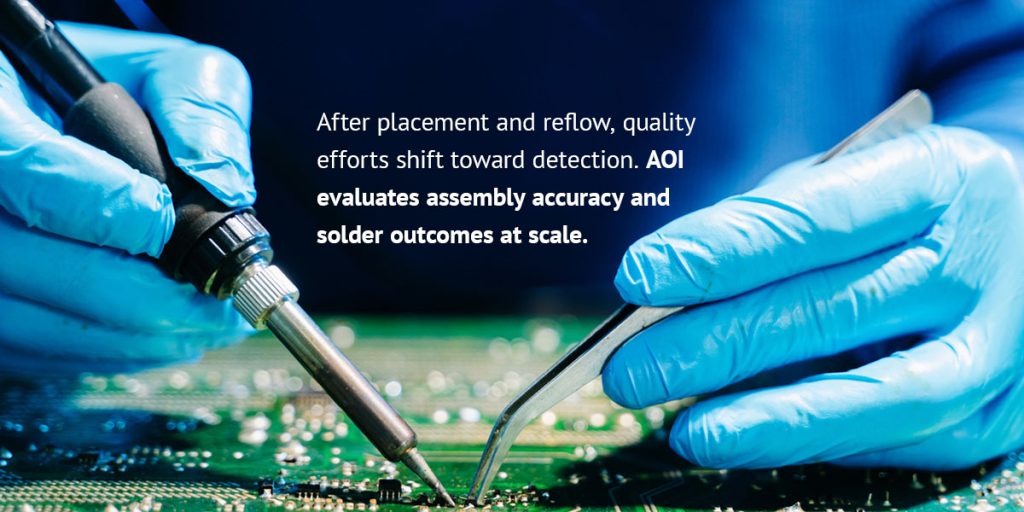
Solder paste inspection verifies paste volume and placement before reflow, improving solder joint consistency. Reliable joints are critical for vibration resistance and long-term durability, making SPI essential in rugged electronics manufacturing.

Building Rugged Electronics Without Slowing Innovation

Designing electronics for harsh environments means managing uncertainty. Engineers must deliver reliable products while working within tight schedules, complex supply chains and evolving performance expectations. 

Thoughtful material selection, layout strategies, environmental protection and validation methods let teams create electronics that perform consistently in demanding conditions. It’s equally crucial to work with partners who understand engineering and production to reduce friction throughout development and protect time-to-market.

If you develop rugged electronics and want to streamline design, prototyping and production within a single integrated workflow, request a quote from Lectronix today and explore how a coordinated engineering and manufacturing approach can support reliable product development.

Contact Lectronix for building rugged electronics and designing PCBs that survive anything.

Electrical Safety in Electronics Manufacturing

Man working on electrical manufacturing with safety gloves and goggles.

Electrical Safety in Electronics Manufacturing

Electrical safety is a central concern in electronics manufacturing, where even minor oversights can have serious consequences. In these fast-paced environments, unique risks and specialized hazards demand a higher standard of awareness, preparation and ongoing commitment to diligent safety practices.

According to the U.S. Department of Labor, the U.S. manufacturing sector, including electronics manufacturing, experienced 391 fatal occupational injuries in 2023. Meeting and exceeding Occupational Safety and Health Administration (OSHA) standards is essential for protecting workers from industry-specific hazards.

The Hidden Dangers of Exposed Circuitry and Bare Boards

Electronic manufacturing environments involve rapid product changes, densely packed boards and frequent manual intervention. These factors increase exposure to live circuitry, micro-scale faults and hard-to-predict hazards. 

One of the most overlooked risks comes from stored-energy components, such as capacitors. Even when power is completely disconnected, capacitors can retain a dangerous charge long after shutdown. During safety checks, rework or late-stage assembly, technicians reaching for one of these boards may inadvertently encounter voltage levels strong enough to cause severe injury.

Adding to the challenge, “hot” testing environments require technicians to work directly with energized systems. This necessary step in quality control exposes staff to potential arcs, shocks and sudden malfunctions, demanding specialized procedures and continuous vigilance beyond conventional electrical safety standards.

The Effect of Electrical Shock on the Human Body

The effect of electric shock on the human body can range from unnoticeable to fatal, depending on the amount of current that flows. Several factors affect the amount of current a human body experiences, including sweat level and shoe selection. Due to such differences, two people touching an identical voltage may have entirely different experiences. In mild cases, electrical shock can result in mild tingling, while higher voltage shocks can result in internal organ damage and cell breakdown or death.

Identifying Key Electrical Hazards in Assembly Environments

Assembly lines present a range of unique electrical hazards that require targeted attention, with risks stemming from both the manufacturing environment and the inherent complexity of the devices produced. Key safety hazards in electrical engineering include:

  • Electrical shock: When a human body becomes part of the electrical circuit, the person will experience an electrical shock. This shock can result in a range of injuries, from minor discomfort to death.
  • Arc flash: An arc flash is a rapid release of energy due to an arcing fault. This hazard occurs during short circuits in high-power test fixtures and can result in violent explosions, fires and severe burns.
  • Electrostatic discharge (ESD): There is a misconception that ESD gear protects workers. In reality, gear like grounding wrist straps is for product safety, not personnel safety.
  • Improper grounding: Improper grounding is a serious hazard. When a circuit lacks a path to the ground, it will find an alternative path, which could involve jumping to another live component or passing through a worker.
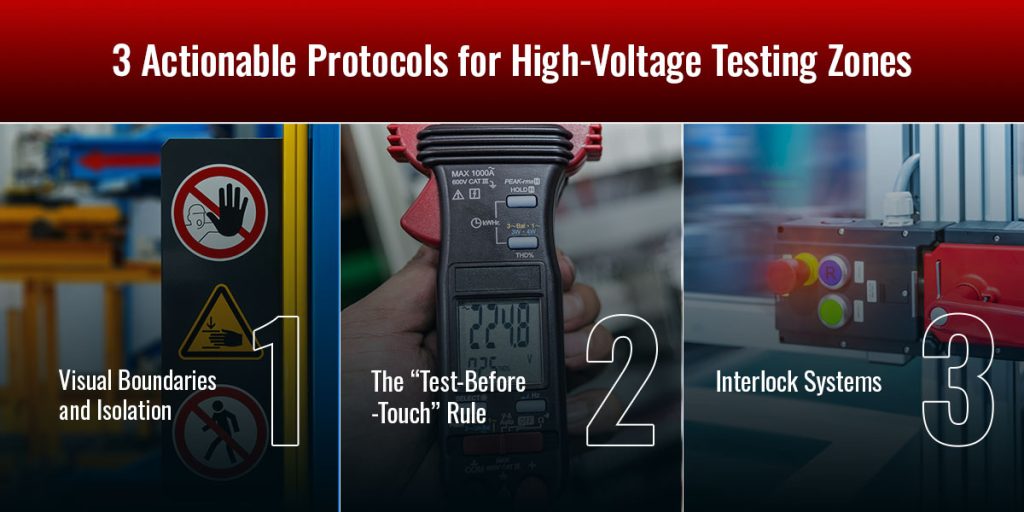
A guide outlining 3 Actionable Protocols for High-Voltage Testing Zones. 1 is visual boundaries and isolation, 2 is the rest before touch rule, and 3 is the interlock systems.

3 Actionable Protocols for High-Voltage Testing Zones

Effective high-voltage testing demands proactive steps to minimize risk and safeguard workers. The following protocols significantly reduce exposure to electrical hazards in these specialized areas:

1. Visual Boundaries and Isolation

Marking hot testing areas requires isolating the station, installing proper signage and using floor markings. Signage should specify voltage levels and indicate that only authorized personnel can be in the area. Use specific colors to indicate warnings or danger levels. These visual boundaries are critical to alerting staff and visitors to elevated risk and help ensure that only authorized, properly equipped personnel can enter these areas during live testing procedures.

2. The “Test-Before-Touch” Rule

This rule requires workers to ensure that electrical equipment is de-energized before touching it. Testing means checking equipment with properly rated voltage testers and, for high-capacitance boards, using approved discharge sticks to ensure no potentially lethal stored charge remains even when the system appears powered down. Embedding this disciplined approach into standard operating procedures dramatically reduces the risk of accidental electric shock and enforces a culture of vigilance.

3. Interlock Systems

Automated interlock systems and electromechanical safety devices are a critical layer of protection for high-voltage test fixtures. These safety mechanisms should instantly disconnect power if a worker opens an enclosure or access panel. This process is designed to make the device safe to touch. By removing human error from the equation, interlock systems aim to prevent accidental exposure to hazardous voltages and promote a safer testing environment. For best results, teams should regularly test these systems and implement maintenance to ensure reliable functionality on every use.

Essential PPE and Training for Electronics Personnel

Protecting electronics personnel goes beyond basic awareness. Safe workplaces require the right personal protective equipment (PPE) and provide a foundation of practical, hands-on safety training tailored to the unique hazards found in this industry.

Targeted Protection: Protective Equipment Relevant to Electronics

Choosing the proper PPE is essential for ensuring safety in the electronics industry, where specialized gear can mean the difference between minor incidents and serious injury during electrical work. Critical PPE includes:

  • Voltage-rated gloves: Cotton assembly gloves are not adequate for working with high voltages. Choose insulated gloves that are easy to work with.
  • Safety glasses with side shields: Face and head equipment is critical. Face shields and safety glasses protect workers from arc flashes and intense heat.
  • Flame-resistant (FR) clothing: For applications where arc flash is a risk, FR clothing is critical for reducing risk. You can also find FR aprons and smocks for added protection.
  • Safety boots: Workers should wear footwear that does not conduct electricity. Sturdy leather or rubber boots can reduce slipping risks and protect workers from electrical hazards.

Competency-Based and Hands-On Training

Maintaining electrically safe work conditions requires teams to adopt a practical learning approach that demonstrates employee competency and allows workers to gain practical experience with electrical applications. OSHA electrical safety standards require employees who face shock risks to complete training to recognize, avoid and mitigate electrical risks. However, classroom instruction alone is not enough. Truly effective training should include hands-on exercises, real-world simulations and regular skill assessments to ensure workers can apply safety protocols in practice.

Ongoing, competency-based training helps reinforce critical concepts and adapts as technology changes, enabling teams to respond confidently to new or unexpected hazards. Integrating hands-on elements into your safety guide for electronic products ensures that employees understand and can perform the procedures necessary to maintain a safe work environment. This practical approach builds lasting safety habits, reduces errors and keeps both personnel and products protected on the job.

Lockout/Tagout (LOTO) for Maintenance

The Lockout/Tagout (LOTO) procedure is a safety practice for protecting workers during machine maintenance. Proper procedures follow these steps:

  1. Preparation: Authorized employees must identify specific hazards and understand how to control hazardous energy.
  2. Shutdown: Teams shut down the equipment or machine that will undergo servicing.
  3. Isolation: Workers must isolate the equipment, which could involve shutting a valve, turning off power at a breaker or something else.
  4. LOTO: An authorized worker attaches a lockout/tagout device to each isolated machine. These devices prevent unexpected equipment startup and include tags with the name of the person performing the lockout and other relevant information.
  5. Stored energy check: Workers inspect the equipment for residual energy that could cause harm if unreleased.
  6. Isolation verification: An authorized employee double-checks that the machine is isolated and de-energized.
Circuit board manufacturing with guide promoting electrical safety in the workplace, encouraging users to request a quote to learn more.

Maintain Electrical Safety in the Workplace

Adhering to rigorous safety protocols protects your workforce and safeguards product integrity. Proactive measures, hands-on training and proper equipment are essential for minimizing risk and maintaining a culture of vigilance. By partnering with experts like Lectronix, Inc., you gain access to advanced manufacturing solutions and experienced teams who prioritize safety at every step.

Lectronix, Inc. is a leading supplier of electronic hardware and software technology. We’re committed to delivering quality and security in every project. Our electronic manufacturing services include:

  • Logistics
  • Prototyping
  • PCB assembly
  • Mass production
  • Systems assembly
  • Inspections and testing
  • New product introduction

Allow us to assist you with electronic innovations. Protect your people, ensure your product’s performance and build lasting success with a manufacturing partner that puts safety first. Contact us for a personalized quote.

The future of police vehicle computing and mobile devices

As with most mobile work forces, more and more police agencies turning to mobile devices as part of their toolkit for staying connected and situationally aware. Historically, police agencies have relied on two main tools, the MDC computer (e.g. a Windows laptop) and a police radio (aka Land Mobile Radio).  But smartphones and tablets are making significant inroads and can be expected to become increasingly important, especially as the Federal Government begins the FirstNet initiative to provide first responders their own dedicated cellular bandwidth and dependable wireless service everywhere in the nation.

As great of an benefit as these devices offer, one question it raises is how does the officer use them when they are operating their patrol vehicle? Compared to the typical mobile businessman, police offers spend much more time behind the wheel than in conference rooms or tradeshow booths, and have a critical need for information while driving. For all of their benefits, smartphones and tablets have never been well suited for use while operating a vehicle, as they require both hands and eyes off the road.

One answer is to simply put away the device while driving, and revert to the legacy systems already in the car. But this is restrictive and fails to take advantage of some of the other benefits that are appearing along with the growth of mobile devices, such as simpler to operate user interfaces and more advanced applications.

In passenger automotive, the industry is adopting a mix of approaches to let the driver connect their smartphone to the in-dash display and a similar approach is preferable for police use. The passenger solutions, such as Android Auto, Apple CarPlay, and MirrorLink are proving popular and well-designed for their intended use, but are not practical for use in law enforcement, because part of their approach to achieving safe operation is to greatly restrict the applications that are allowed on the vehicle’s screen. So they work well for music, messaging, and navigation, but won’t work with public safety applications.

ICSDisplay600With the Integrated Control System (ICS) we have developed for Ford Police Interceptors, we have achieved a platform that works great with legacy approaches to computing and communications, but works even better as new mobile platforms and applications are brought into the mix. The ICS provides an in-dash 12.1″ screen that mounts seamlessly into the dash of the Ford vehicles. That single optimally located screen operates in a truly multi-function mode and can be the one and only screen needed:
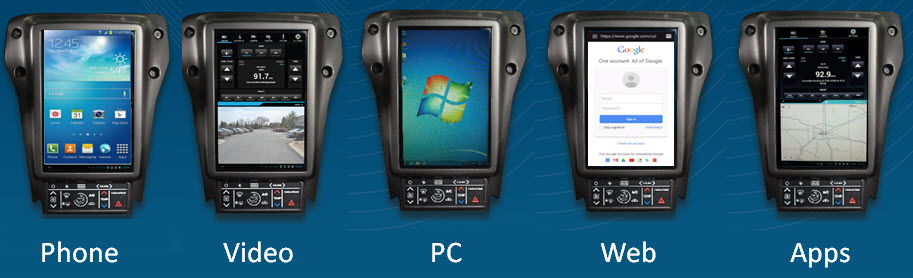

  • For Windows PC operation, the ICS operates as an HDMI monitor, so departments can continue to run their existing MDC computers
  • For mobile applications, the ICS can operate as the embedded processor, as the display features a built-in Android platform
  • For web applications, the ICS directly supports an embedded web browser
  • For mobile device integration, the ICS can support screen mirroring, where the entire screen of the smartphone or tablet is projected onto the full 12.1″ screen
  • For other video feeds, such as camera systems, the ICS supports video inputs

ICSModes

We have cooperatively done some technology car builds using some of these features and the results have been compelling. As one example, watch this video below where Harris Corporation and Lectronix worked together to showcase how their BeOn application, which provides a wealth of situational awareness and communication capabilities, integrates with the ICS for seamless operation behind the wheel of a vehicle:

Harris BeOn Application on ICS

One of the things apparent in this demonstration is the many ways that running the BeOn application on the embedded ICS processor enhances the usability and usefulness in a car. Instead of running the audio through the phone’s small speakers, all audio is prioritized and run over the main vehicle audio system. While phones have GPS and cellular, the embedded application has the advantage of high-gain roof mounted antennae for improved range and performance. Instead of having to interact with the screen, the user is able to access main functions such as push-to-talk directly from the steering wheel controls. And with this setup, the legacy LMR police radio is accessed as easily as the new voice over LTE service provided by BeOn, both using the same speakers, Ford hands free microphone, and steering wheel controls.

The last thing police vehicles need are more screens to mount and audio systems to compete with one another. The integration capability of the ICS can make a dramatic improvement to how current systems can evolve and co-exist with the new mobile solutions that are emerging. For more information about the ICS system, check out our products section and if you wish to discuss your needs we are a factory that is always eager to hear from users so feel free to contact us!


Welcome to our new website

lectronix_web_logo
Welcome to our new website! We have revamped the entire site with goal of better describing our company and the unique combination of electronics services, technologies, and products we offer. The entire site should be more friendly for browsing by mobile devices. Many times visitors to our facility have said something along the lines of “wow! you do some really cool things here that I wouldn’t have guessed” and part of our effort has been to make some of our cutting-edge R&D technology development more apparent on the web. We also wanted to introduce this blog as a place for us to discuss hot topics in electronics development and manufacturing. So if you purchase, develop, or even just are interested in electronics, come back as we’re sure you’ll find interesting information here in the future!

Thanks for visiting!
The Lectronix team